Table of contents
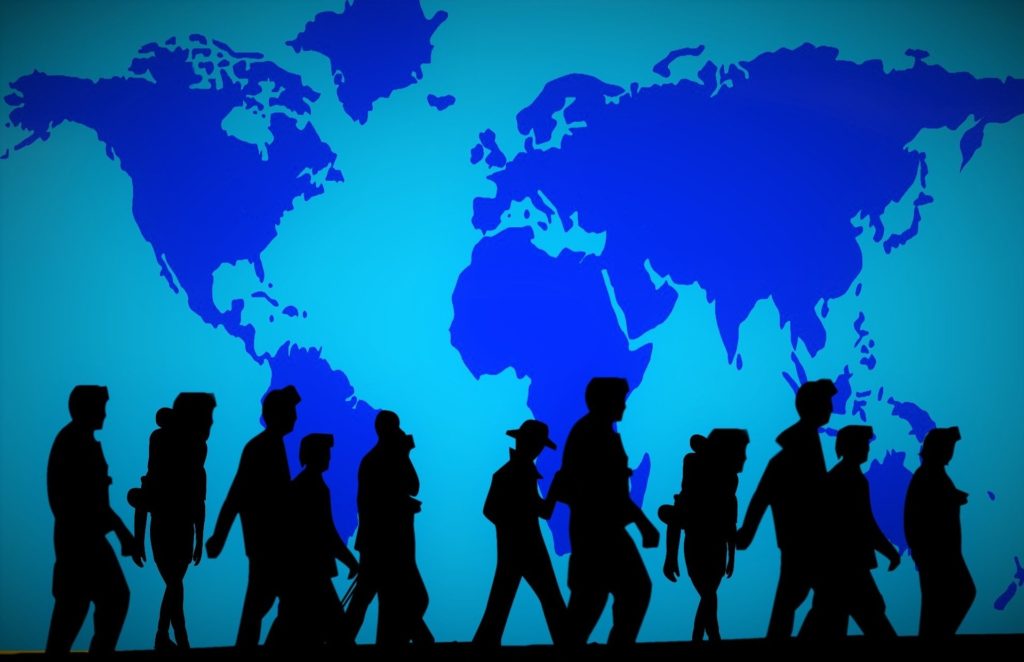
Migration has become one of the defining phenomena of the twenty-first century, reshaping societies, economies, and political systems across the globe. While population movements are not new, their scale, speed, and complexity today turn migration into a powerful stress test for modern states. It reveals how resilient social institutions are, how inclusive national identities can be, and how effectively governments balance humanitarian responsibility with political stability. Understanding migration not merely as movement of people, but as a structural challenge, allows us to better assess its long-term consequences.
Migration and Cultural Transformation
One of the most visible effects of migration is cultural change. When large groups of people settle in new societies, they bring languages, traditions, religious practices, and social norms that interact with the host culture. This interaction is rarely neutral: it can generate cultural enrichment, but also anxiety and resistance.
From a positive perspective, migration often revitalizes cultural life. Cities shaped by migration tend to develop diverse food cultures, artistic scenes, and hybrid identities. Cultural exchange can challenge rigid traditions and foster more open, pluralistic societies. For younger generations in particular, diversity often becomes a normal part of everyday life rather than an exception.
At the same time, migration can expose deep insecurities within host societies. Rapid demographic change may be perceived as a threat to national identity, especially where identity is defined in ethnic or historical terms. Cultural tension usually arises not from diversity itself, but from the speed of change and the lack of effective integration policies. When newcomers remain socially segregated, cultural differences become symbols of division rather than exchange.
This reveals an important causal relationship: cultural conflict around migration is less about the presence of migrants and more about the failure of institutions to create shared spaces, narratives, and opportunities for interaction. Where integration is proactive, cultural diversity tends to be seen as an asset; where it is neglected, it becomes politicized.
Economic Pressures and Opportunities
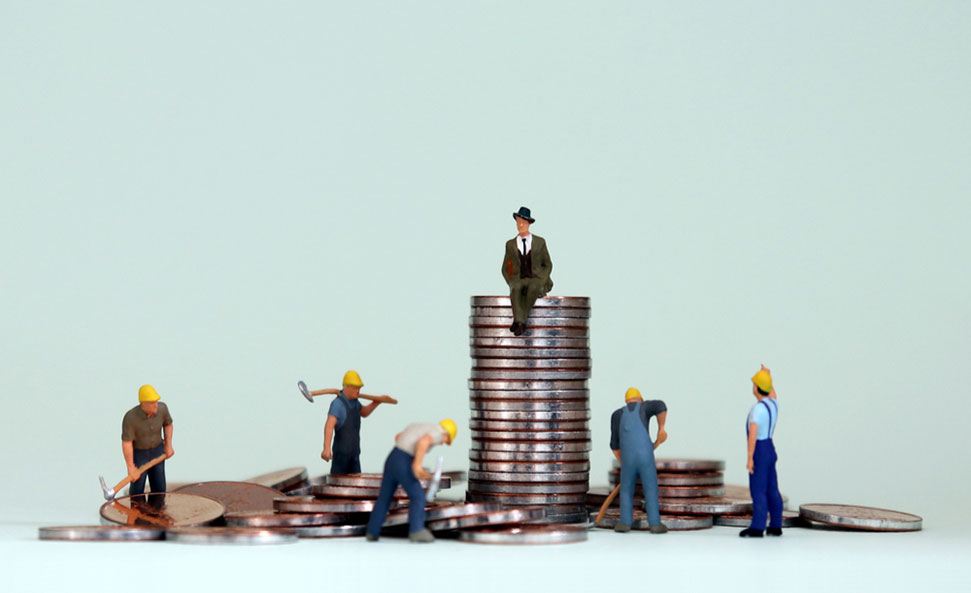
Economically, migration functions as a double-edged phenomenon. On one hand, migrants often fill labor shortages, contribute to tax systems, and support aging populations. On the other hand, migration can intensify competition for jobs, housing, and public services, particularly in lower-income segments of society.
In many modern economies, migrants play a critical role in sectors such as healthcare, construction, agriculture, and logistics. These jobs are often physically demanding or socially undervalued, making them less attractive to local workers. Without migrant labor, entire industries would struggle to function. From this perspective, migration increases economic flexibility and resilience.
However, the distribution of costs and benefits is uneven. While businesses and national economies may benefit, local communities can experience strain. Increased demand for affordable housing, schools, and healthcare can overwhelm existing infrastructure if population growth is sudden. This fuels perceptions that migrants are a burden, even when the underlying issue is insufficient public investment.
Economic tension around migration often reflects broader structural inequalities. Migrants are frequently blamed for problems that predate their arrival, such as wage stagnation or housing shortages. In this sense, migration acts as a stress test by exposing unresolved economic vulnerabilities. States that invest in inclusive growth and fair labor regulation tend to manage migration more successfully than those relying on short-term or reactive measures.
Political Polarization and Governance Challenges
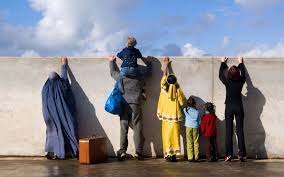
Politically, migration has become one of the most polarizing issues in modern democracies. It challenges governments to reconcile humanitarian obligations, border control, and public opinion—often under intense media scrutiny. How states respond to migration can significantly reshape political landscapes.
Migration debates frequently become symbolic battles over sovereignty and control. Political actors may frame migration as a security threat or cultural invasion, using fear-based narratives to mobilize support. This can lead to restrictive policies that prioritize deterrence over integration, sometimes undermining human rights commitments.
At the same time, migration can strengthen democratic engagement by forcing societies to debate fundamental values: solidarity, equality, and the meaning of citizenship. Progressive policy responses—such as pathways to legal status, investment in integration, and international cooperation—demonstrate that migration can be governed rather than merely resisted.
The political impact of migration also depends on trust in institutions. Where governments communicate transparently and manage migration predictably, public anxiety tends to decrease. Where policies appear inconsistent or chaotic, migration becomes a symbol of state failure. Thus, migration tests not only policy capacity, but political credibility.
Social Cohesion, Inequality, and Long-Term Stability
Perhaps the most profound impact of migration lies in its effect on social cohesion. Migration forces societies to renegotiate who belongs, who has access to resources, and how solidarity is defined. These questions directly affect long-term stability.
When migrants are excluded from education, labor markets, or political participation, social divisions deepen. Marginalization increases the risk of poverty, crime, and intergroup conflict—not because of migration itself, but because of unequal inclusion. Over time, this can create parallel societies, undermining trust and shared responsibility.
Conversely, inclusive policies that focus on education, language acquisition, and equal rights strengthen cohesion. Children of migrants, when given access to quality education and opportunities, often become bridges between communities rather than sources of division. This highlights a crucial insight: migration outcomes are shaped more by policy choices than by demographic facts.
From a long-term perspective, migration is neither inherently destabilizing nor automatically beneficial. It is a dynamic process that amplifies existing strengths and weaknesses within states. Societies with strong institutions, social mobility, and inclusive narratives tend to absorb migration more successfully. Those with deep inequalities and fragile governance experience migration as crisis rather than transition.
Key Dimensions of Migration as a Social Stress Test
| Dimension | Main Challenges | Potential Outcomes |
|---|---|---|
| Cultural | Identity conflicts, segregation | Cultural exchange, hybrid identities |
| Economic | Pressure on jobs and services | Labor market flexibility, growth |
| Political | Polarization, populist narratives | Policy reform, democratic debate |
| Social | Inequality, exclusion | Integration, social cohesion |
| Institutional | Capacity of governance systems | Stronger or weakened public trust |
Core Insights
-
Migration exposes the strengths and weaknesses of modern states rather than creating problems in isolation.
-
Cultural tension arises primarily from poor integration, not diversity itself.
-
Economic effects of migration depend on how costs and benefits are distributed.
-
Political polarization around migration reflects broader crises of trust and governance.
-
Inclusive institutions are key to turning migration into a stabilizing force.
-
Long-term outcomes are shaped more by policy choices than by migration flows alone.
Conclusion
Migration functions as a social stress test because it forces states to confront fundamental questions about identity, equality, and responsibility. It challenges cultural narratives, economic systems, and political institutions simultaneously, making it one of the most complex governance issues of our time. The way societies respond to migration determines whether it becomes a source of division or a driver of renewal. Ultimately, migration does not weaken modern states by default—it reveals how prepared they are to adapt to a changing world.
It is easy to check materials for uniqueness using our high-quality anti-plagiarism service.
Order now »